5 Key Insights on Pakistan Afghanistan War Market Impact Today

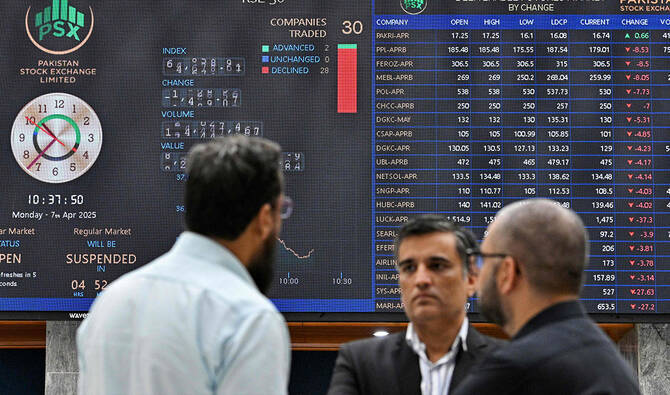
The Pakistan Afghanistan War Market Impact is sending shockwaves across global financial markets. On February 27, 2026, Pakistan launched multiple airstrikes on Afghanistan, escalating a conflict that had been simmering for months. This marks a significant intensification of hostilities, prompting widespread concern among investors, traders, and policy makers worldwide.

For forex and commodity traders, these developments highlight the importance of partnering with a reliable broker like Icon FX. With real-time market access, advanced risk management tools, and 24/7 support, Icon FX equips traders to navigate heightened market volatility effectively.


Immediate Market Reactions

The Pakistan Afghanistan War Market Impact is evident across multiple asset classes:

Traders who stay alert to these trends can use platforms like Icon FX to act quickly on live market data, hedging risks or seizing short-term trading opportunities.


Forex Movements to Monitor

The Pakistan Afghanistan War Market Impact has significantly affected currency markets. Key developments include:

Forex traders need a broker that offers both stability and execution speed. Icon FX provides competitive spreads, leverage options, and risk-management tools, allowing traders to protect positions in times of market turmoil.


Commodities and Oil Market Effects

Energy markets are especially sensitive to geopolitical events. The Pakistan Afghanistan War Market Impact is causing:

Commodity traders can benefit from tracking supply-chain risk reports from sources like OPEC and IEA, while executing trades with a broker like Icon FX that offers real-time commodity CFDs and leveraged trading.


Trading Strategies Amid Volatility

Traders can adopt specific strategies to mitigate risks and capitalize on market movements caused by the Pakistan Afghanistan War Market Impact:

  1. Diversify Portfolios: Include safe-haven assets like gold, treasury bonds, or stable currencies.
  2. Use Risk Management Tools: Stop-loss and take-profit orders help contain potential losses.
  3. Monitor News Closely: Geopolitical developments can drive rapid market swings.
  4. Leverage Real-Time Trading Platforms: Platforms like Icon FX provide the execution speed and analytical tools necessary during volatile periods.

These strategies help traders navigate sudden market shocks while staying prepared for the next wave of volatility.


Broader Economic and Market Implications

The Pakistan Afghanistan War Market Impact has wider implications beyond immediate trading:

Forex traders using Icon FX can track these trends and adjust positions across multiple asset classes efficiently, ensuring they remain responsive to both regional and global market signals.


Conclusion

The Pakistan Afghanistan War Market Impact highlights the direct link between geopolitical conflicts and market volatility. Traders and investors must remain vigilant, focusing on safe-haven assets, robust risk management, and timely information.

For forex traders, partnering with a trusted broker like Icon FX ensures access to the tools and resources needed to respond to market shocks quickly. Whether it’s monitoring currency pairs affected by the conflict, trading commodities like gold and oil, or executing risk-managed strategies, Icon FX provides the infrastructure to trade confidently during periods of uncertainty.

Most Traders Don’t Lose Because of Strategy: They Lose Because of Risk Management

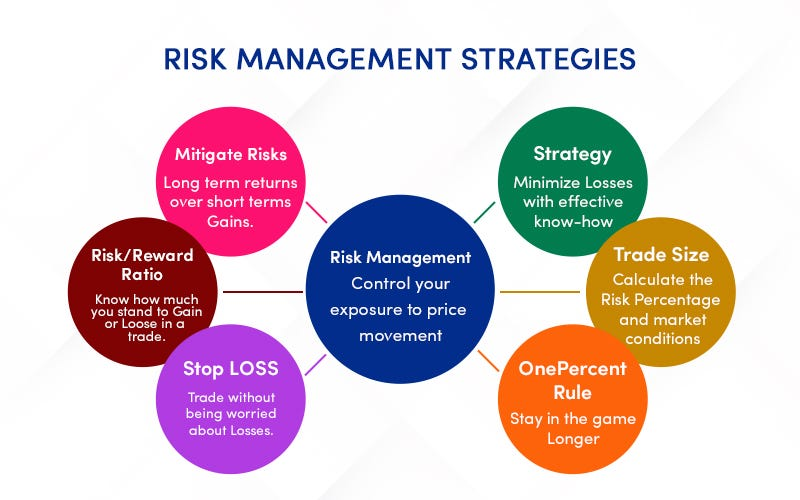
Trader practicing risk management in trading to protect capital

Trading isn’t just about finding the perfect strategy or spotting the next big market move. In fact, the most common reason traders fail isn’t strategy—it’s poor risk management in trading. Many beginners assume that a winning strategy guarantees profits, but without proper risk control, even the best setups can lead to losses.

Professional traders understand that longevity in the markets is far more important than chasing quick wins. The rules are simple but often overlooked.

Why Risk Management in Trading Matters

Risk management in trading is the process of identifying, analyzing, and limiting the financial risks involved in trading. It’s more than just setting stop-losses—it’s a mindset that puts capital preservation above chasing profits. A strong risk management plan allows you to survive losing streaks and prevents emotional decisions that can derail your trading.

A study by DailyFX highlights that over 70% of retail traders fail due to poor risk practices—not lack of strategy. Even professional traders say that controlling losses is far more important than maximizing profits on individual trades.

Key Risk Management in Trading Rules

5 Risk Management in Trading Rules Every Trader Must Follow

Here are the professional rules every trader should follow to manage risk effectively:

1. Risk 1–2% Per Trade

Never risk more than 1–2% of your total capital on a single trade. This ensures that even if you experience multiple consecutive losses, your account remains intact. Risking too much on one trade can wipe out months of progress in a single move.

2. Never Trade Without a Stop-Loss

Stop-loss orders are non-negotiable in risk management in trading. They automatically close trades if the market moves against you beyond a predetermined point. Using stop-losses prevents large losses and reduces emotional stress during volatile market conditions.

3. Protect Capital Before Chasing Profits

Prioritizing capital preservation over chasing profits is critical for long-term success. Focus on surviving the market and keeping your account intact. Sustainable trading grows your account steadily, allowing you to compound gains safely.

4. Use Proper Position Sizing

Position sizing ensures that each trade aligns with your risk tolerance. Tools like MetaTrader calculators or online position size calculators help determine the correct trade size. Many traders fail by risking too much per trade or not adjusting positions based on volatility.

5. Keep a Trading Journal

A detailed trading journal is a cornerstone of risk management in trading. Track every trade, including entry, exit, risk level, and emotions. This practice helps you identify mistakes, refine your strategy, and stick to your risk rules consistently.

Advanced Risk Management Tips

To further strengthen your risk control:

By integrating these advanced practices, traders not only protect capital but also improve consistency, confidence, and long-term profitability.

Longevity Over Quick Wins

At Icon FX, we emphasize that sustainable trading starts with discipline. Quick wins might feel rewarding, but consistency and capital preservation build real wealth over time. Following risk management in trading principles keeps you in the game long enough to capitalize on opportunities when they arise.

Trading is a journey, not a sprint. By controlling your losses and managing your risk, you create an environment where strategies can work effectively and profits can compound.

Final Thoughts

Remember, most traders don’t fail because of a poor strategy—they fail because of weak risk control. By following the rules above, you protect your capital, reduce stress, and increase your chances of long-term success.

What’s your personal risk rule? How much do you risk per trade? Share your thoughts and join the discussion on building a disciplined trading mindset.

For more insights on trading discipline and risk management, check out our Forex Education Hub for practical guides and tutorials.

Icon FX Demo vs Live Accounts – Which Should You Use?

Icon FX Demo vs Live Accounts – Which Should You Use?

Starting your trading journey with Icon FX requires a smart choice: deciding between a demo account and a live account. Understanding Icon FX demo vs live accounts is essential for trading success. In this article, we’ll share 5 key reasons why both account types matter, how to use them effectively, and which is best for your trading style.

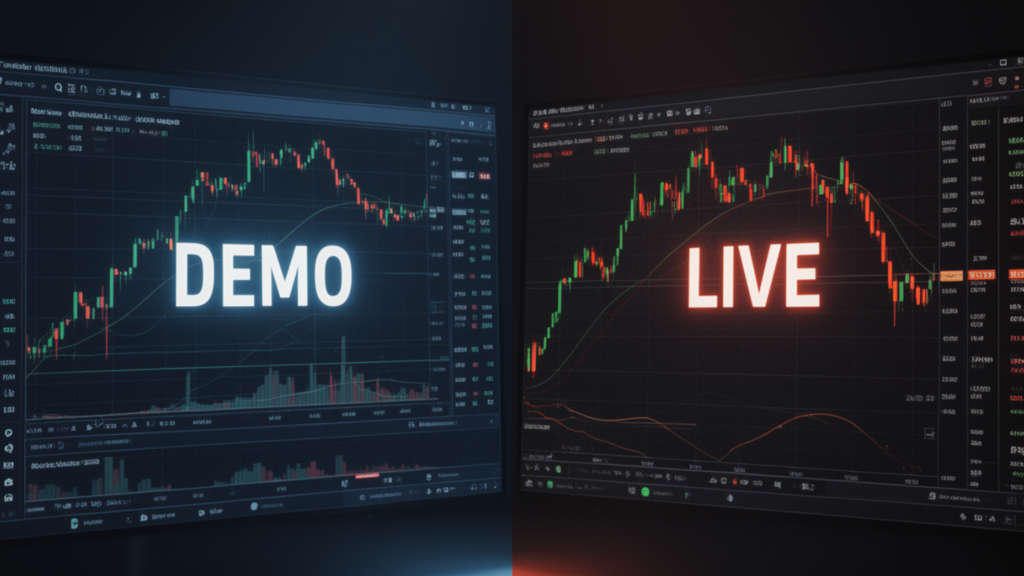
Icon FX demo vs live account comparison on MT4

What Is an Icon FX Demo Account?

A demo account is a risk-free environment where you can trade using virtual funds. Icon FX demo accounts replicate real market conditions on the MetaTrader 4 (MT4) platform, allowing you to practice without risking real money.

With a demo account, you can:

Many beginners spend several weeks on demo accounts before switching to live trading. Experienced traders also use demo accounts to test new strategies, indicators, or expert advisors without risking their capital.

What Is an Icon FX Live Account?

A live account uses real money and exposes traders to the emotional and psychological aspects of trading. Unlike demo accounts, live accounts involve real profits and losses, making emotional control and discipline critical.

Advantages of a live account include:

Trading with real money helps you develop skills that a demo account cannot teach, such as handling fear, excitement, and decision-making under stress.

Icon FX Demo vs Live: Key Differences

FeatureDemo AccountLive Account
FundsVirtualReal money
RiskNoneHigh
Emotional impactLowHigh
Order executionSimulatedActual market
Best forLearning, testing strategiesReal trading, earning profits

The main difference between Icon FX demo vs live accounts is the emotional impact and real financial risk. Understanding these differences is crucial for developing both skill and discipline.

When to Use a Demo Account vs Live Account

Many traders recommend using both demo and live accounts strategically. Demo accounts help refine strategies safely, while live accounts provide essential real-world trading experience.

Learn more about demo accounts at Investopedia’s guide on demo trading.
The below video shows you a guide on understanding and setting up your MT4 for step-by-step instructions on creating your account.

Additional Tips for Success with Icon FX Demo vs Live Accounts

  1. Track Your Trades: Record trades to identify patterns and improve strategies.
  2. Practice Risk Management: Even on demo accounts, use proper stop-loss and position sizing.
  3. Stay Updated on Market News: Use demo accounts to test strategies around economic news and events.
  4. Set Realistic Goals: Start small with achievable targets before increasing risk exposure.

Final Thoughts on Icon FX Demo vs Live

Choosing between demo and live accounts depends on your experience, goals, and risk tolerance. For beginners, a demo account is essential for learning and testing strategies safely. Transitioning to a live account introduces real stakes and emotional lessons that are critical for becoming a disciplined trader.

The key is balance: practice extensively on Icon FX demo vs live accounts, but gradually move to live trading to experience the real market environment. Using both account types strategically will better prepare you for long-term trading success.

By understanding the differences and benefits of demo and live accounts, you’ll develop the skills, confidence, and discipline needed to succeed on Icon FX.

Gold vs USD Hedging Strategies: How to Trade During Inflation Surges

Gold vs USD hedging strategies are essential for traders who want to protect their portfolios and capitalize on market volatility during periods of rising inflation. Economic releases like the U.S. Non-Farm Payroll (NFP) and Consumer Price Index (CPI) reports often create sharp swings in USD currency pairs and Gold. Understanding how to hedge and trade these movements strategically can turn market volatility into an opportunity.

Traders using Icon FX can access advanced tools to execute these strategies effectively. Whether managing USD exposure or leveraging Gold as a hedge, Icon FX provides a platform designed for professional and aspiring traders alike.

Understanding Gold vs USD Hedging Strategies

Gold and USD generally exhibit an inverse relationship. When inflation surges, Gold typically appreciates as a safe-haven asset, while USD movements respond to employment trends, interest rate expectations, and macroeconomic sentiment.

The CPI report measures consumer price inflation, giving traders insights into potential interest rate shifts. High CPI readings often strengthen the USD due to anticipated rate hikes, while simultaneously boosting Gold’s appeal as a hedge against inflation.

Meanwhile, the NFP report provides insight into employment trends. Strong employment data supports the USD, whereas weaker-than-expected job growth can weaken the dollar temporarily. By understanding these dynamics, traders can anticipate price movements and plan their Gold and USD hedges effectively.

Platforms like Icon FX provide the analytical tools necessary to implement these strategies efficiently, including advanced charting, technical indicators, and real-time alerts.

Five Professional Gold vs USD Hedging Strategies

1. Pair Trading Gold and USD

One of the most effective Gold vs USD hedging strategies is pair trading—taking long positions in Gold while shorting USD currency pairs such as EUR/USD or USD/JPY. This approach balances risk and exploits relative price movements, especially during high-volatility events like NFP and CPI releases. Icon FX allows seamless execution across multiple assets, making hedging more efficient.

2. Leverage Technical Analysis

Technical analysis tools like trend lines, Fibonacci retracements, and support/resistance levels help identify high-probability entry points. Icon FX’s advanced charting features make it simple to interpret market structure and execute trades promptly, even during rapid post-release volatility.

3. Monitor Real-Time Correlations

The inverse correlation between Gold and USD is not constant. Temporary divergences can create swing trading or arbitrage opportunities. Icon FX provides real-time analytics and alerts, allowing traders to capitalize on short-term inefficiencies in the market.

4. Wait for Market Confirmation

Immediate post-release reactions to NFP or CPI data can be erratic. Waiting for trend confirmation before entering trades reduces slippage and improves trade accuracy. Icon FX’s conditional orders and automated triggers allow traders to execute trades smartly without constantly monitoring the market.

5. Structured Risk Management

High volatility demands disciplined risk management. Position sizing, stop-loss orders, and take-profit targets are essential. With Icon FX’s integrated risk management tools, traders can hedge their positions confidently while limiting downside exposure.

Trade Smart with Icon FX

Integrating fundamental insights from NFP and CPI reports with technical analysis is the foundation of successful Gold vs USD hedging strategies. By combining macroeconomic awareness, price action, and risk discipline, traders can navigate volatility with confidence.

With Icon FX, traders can:

Don’t let volatility catch you off-guard. Sign up with Icon FX today and gain access to the tools and insights to trade Gold and USD intelligently, even during the most unpredictable market conditions.

Additional Resources

FX Market Outlook February 2026: Key Trends in USD/JPY and EUR/USD

FX Market Outlook February 2026 showing USD/JPY and EUR/USD trends chart

Introduction: Seize Opportunities with FX Market Outlook February 2026

The FX market in February 2026 is full of exciting opportunities, particularly in USD/JPY and EUR/USD. Political developments, central bank signals, and macroeconomic data are shaping a dynamic trading environment. This FX Market Outlook February 2026 equips traders with the latest insights, helping them capitalize on potential market moves with confidence.

Mid-February is a pivotal time as early-year data and policy announcements can dramatically impact currency trends, making it crucial for traders to act strategically. Understanding market drivers and technical levels can make the difference between missed opportunities and profitable trades.

USD/JPY in Focus: Policy, Politics, and Intervention Risk

In this FX Market Outlook February 2026, USD/JPY remains a central focus. The yen has shown volatility following Prime Minister Sanae Takaichi’s election victory, as traders assess the implications of political stability and potential fiscal measures.

Japanese authorities have also signaled readiness to intervene if the yen experiences excessive swings, adding an extra layer of complexity. This creates both risk and opportunity for professional traders who carefully monitor intervention signals.

Key USD/JPY drivers this week include:

Technical analysts suggest the USD/JPY range may remain between 146–160, with breakouts above or below providing tactical trading opportunities. For detailed insights, see Reuters’ Yen Analysis.

EUREUR/USD: Dollar Weakness and Euro Momentum

The EUR/USD pair is also under the spotlight in this FX Market Outlook February 2026. A combination of a softening U.S. dollar and positive eurozone economic indicators has strengthened the euro. Technical indicators show the pair testing multi-year resistance levels, suggesting potential breakout opportunities.

Key factors for EUR/USD include:

For a deeper forecast, check Trading News EUR/USD Forecast.

Broader Market Context: Volatility and Opportunities

The FX market this week is characterized by heightened volatility across major currency pairs:

Professional traders should focus on short-term technical levels, monitor economic calendars, and apply strong risk management strategies. For a full weekly forecast, see Cambridge Currencies Weekly Outlook.

TraTrading Strategies Based on FX Market Outlook February 2026

Traders can capitalize on these mid-February trends using:

  1. Technical Strategies: Focus on support and resistance levels for tactical trades.
  2. Event-driven Trading: Track central bank announcements, elections, and major economic releases.
  3. Risk Management: Employ stop-loss and take-profit strategies, particularly for USD/JPY and EUR/USD.
  4. Portfolio Diversification: Spread exposure across multiple currency pairs to mitigate risk.

At Icon FX, we provide real-time insights to help traders act confidently. Explore our Market Insights Hub for ongoing forecasts and trading resources.

Conclusion

The FX Market Outlook February 2026 highlights strong movements in USD/JPY and EUR/USD, driven by political developments, central bank policies, and macroeconomic trends. Traders who stay informed, adopt disciplined strategies, and monitor technical levels are better positioned to capture mid-February opportunities.

How are you positioning yourself this week? Share your thoughts and strategies with the community below.

RBA Rate Hike February 2026: What Traders Need to Know

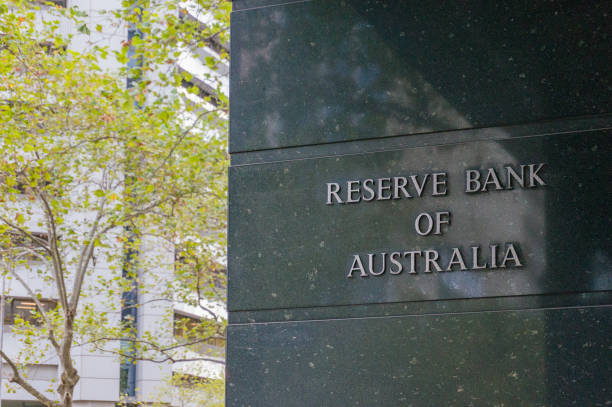
RBA Rate Hike February 2026 – AUD strengthens after cash rate increase
Melbourne, Australia - April 6, 2017: Reserve bank of Australia building in Melbourne CBD, Australia

The RBA Rate Hike February 2026 marks the Reserve Bank of Australia’s first interest rate increase since 2023. The cash rate has been raised by 0.25% to 3.85%, reflecting persistent inflationary pressures and continued economic growth. Understanding this move is critical for traders, investors, and borrowers, as it affects the Australian dollar (AUD), interest-sensitive instruments, and global market sentiment.

This policy adjustment also signals a cautious yet hawkish stance from the RBA, indicating that the central bank is prepared to continue tightening monetary policy if inflation remains above target.

Why the RBA Implemented the Rate Hike

The decision behind the RBA Rate Hike February 2026 was driven by multiple economic factors:

The RBA’s decision is also shaped by its commitment to balancing economic growth with inflation control, ensuring long-term financial stability for Australia.

Market Reactions to the RBA Rate Hike February 2026

The RBA Rate Hike February 2026 produced immediate effects in financial markets:

For further insights, check RBA official statements and Reuters coverage.

AUD Performance and Global Impact

Following the RBA Rate Hike February 2026, the AUD/USD pair saw a noticeable spike, reflecting traders’ recalibration of interest rate differentials. Historically, the AUD tends to rally on unexpected hikes when global economic conditions are favorable, particularly against safe-haven currencies like the JPY and CHF.

Globally, central bank decisions affect risk sentiment. The RBA’s move signals to traders that other commodity-linked currencies, such as the NZD and CAD, may also react, influencing cross-currency strategies. Markets in Asia and Europe responded with modest risk-on sentiment as investors adjusted their portfolios.

Trading Opportunities Following the RBA Rate Hike February 2026

For traders on ICON FX platforms, the RBA Rate Hike February 2026 presents several actionable strategies:

  1. Monitor AUD Pairs – Currency pairs like AUD/USD, AUD/JPY, and AUD/EUR are likely to see heightened volatility.
  2. Interest Rate Instruments – Bonds, short-term futures, and derivatives linked to cash rates may react to the new policy stance.
  3. Volatility Strategies – FX options and other hedging tools can help manage risk around central bank events.

For a guide on trading strategies around interest rate decisions, check out our ICON FX Trading Insights.

What Traders Should Watch Next

Looking ahead, traders should monitor key economic indicators that could influence further rate adjustments:

Conclusion

The RBA Rate Hike February 2026 is a significant event for the Australian economy and global financial markets. By raising the cash rate to 3.85%, the RBA signals a commitment to controlling inflation while supporting economic stability.

For traders, staying informed and adapting strategies around the RBA Rate Hike February 2026 can uncover opportunities in forex, interest rate instruments, and volatility-driven trades. ICON FX provides real-time market updates, expert analysis, and advanced trading tools to help you navigate central bank events effectively.

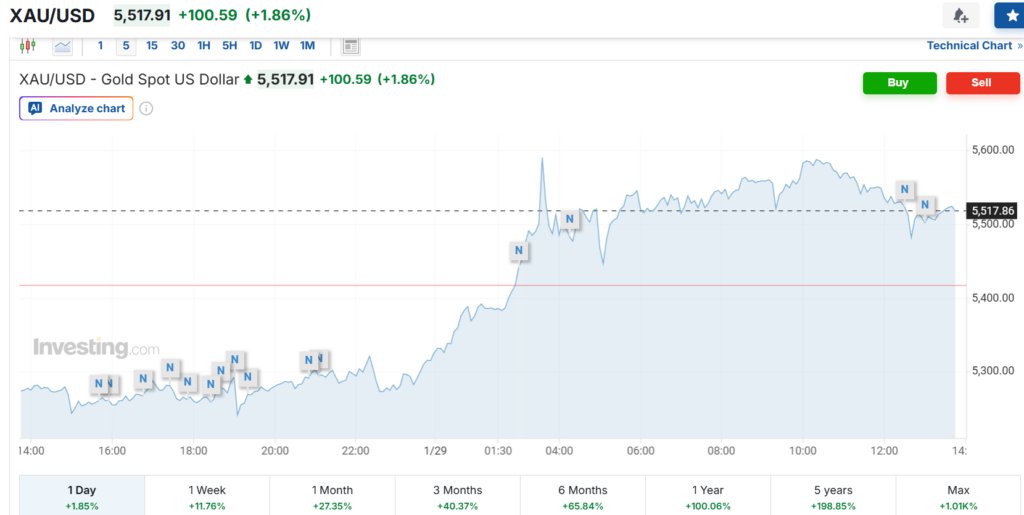
Breaking: Gold Today Hits $5,600 – Here’s Why

Gold Today is flying high at $5,600 per ounce on January 29, 2026, as a perfect storm of global uncertainty, weak currencies, and rising investor demand pushes bullion to new record levels. Traders, investors, and institutions are all closely watching the metal’s surge, making this one of the most significant movements in recent years.

Gold Today

1. Safe-Haven Demand Surges

Global market volatility has investors seeking protection, and Gold Today is benefiting directly. Safe-haven flows have intensified as geopolitical tensions increase, especially in the Middle East and parts of Asia. Investors are flocking to bullion to preserve wealth, driving both retail and institutional purchases. According to Reuters, demand has surged to levels not seen since late 2025.

2. Weak U.S. Dollar Boosts Gold

The U.S. dollar has softened against major global currencies, making Gold Today more attractive to international investors. A weaker dollar increases purchasing power in other currencies, encouraging demand in Europe, the Middle East, and Asia. This dynamic is a classic driver for gold rallies, as explained in Forex.com’s market analysis.

3. Central Bank & Institutional Buying

Another key factor behind Gold Today’s rally is strong institutional and central bank demand. Countries like China, India, and the UAE continue to increase gold reserves, while hedge funds and large financial institutions buy gold as a hedge against market volatility. The World Gold Council reports that central bank purchases are at record highs, which structurally supports prices.

4. Inflation & Economic Data

Inflation fears globally are pushing investors toward safe assets like Gold Today. Rising prices in commodities, energy, and food continue to erode confidence in fiat currencies. Traders are using gold to hedge against these risks, especially with upcoming economic data releases from the U.S., Eurozone, and Asia that could further amplify volatility.

5. Technical Breakouts

From a trading perspective, Gold Today has broken key resistance levels, confirming bullish momentum. Chart analysis shows a continuation pattern that could extend the rally over the coming weeks. Traders are closely watching these technical signals on platforms like TradingView to identify potential entry points.

XAU/USD - Gold Spot US Dollar

Gold Today

Trader Takeaways

Final Take

Gold Today at $5,600 reflects a perfect convergence of safe-haven buying, weak currencies, institutional demand, inflation hedging, and technical momentum. Traders and investors must stay alert, as short-term volatility is high, but long-term bullish trends appear intact.

For more insights, check out our guides on Gold Trading Strategies and How Macro Data Drives Bullion Prices.

Top 3 Forex Trading Strategies for 2026: How Pros Stay Ahead

The Top 3 Forex Trading Strategies for 2026 are essential for traders who want to gain a professional edge in a constantly changing market. Forex trading in 2026 is being shaped by central bank policies, geopolitical events, and technological advancements. Traders who understand and implement proven strategies can manage risk effectively, increase profits, and stay ahead of market fluctuations.

Whether you are a beginner or an experienced trader, mastering these strategies can help you trade with confidence and consistency.

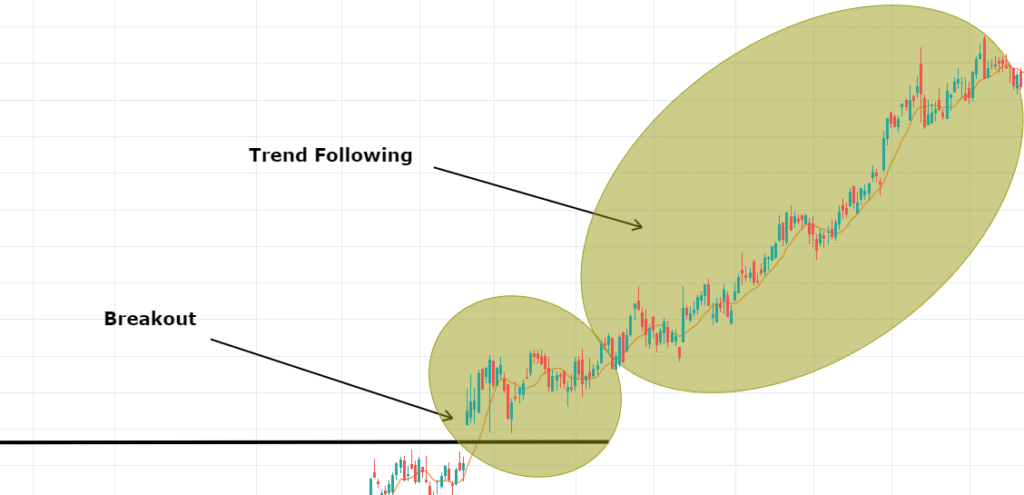
Trend Following Strategy

The first of the Top 3 Forex Trading Strategies for 2026 is trend following. This strategy focuses on trading in the direction of market trends using tools such as moving averages, MACD, and ADX to confirm momentum.

Trend following is particularly effective in 2026 due to macroeconomic events that create long-lasting trends. For instance, decisions from the Bank of Japan or Federal Reserve rate adjustments can trigger sustained trends in currency pairs like EUR/USD and USD/JPY.

Pro Tip: Analyze multiple timeframes to identify the overall trend on weekly charts, then refine your entries on daily or 4-hour charts. This reduces market noise and improves accuracy.

Extra Tip: Combine trend following with fundamental analysis. For example, if Eurozone GDP or inflation data supports a strong trend, it increases the likelihood of a profitable trade.

Advanced Insight: Professional traders often use trailing stops with trend following to lock in profits while letting the trend continue.

Breakout Trading Strategy

The second of the Top 3 Forex Trading Strategies for 2026 is breakout trading, which thrives in volatile markets. Breakouts occur when a currency pair moves decisively above resistance or below support, often with higher volume.

Pairs such as GBP/USD and AUD/USD frequently experience breakouts around major economic events like US Non-Farm Payroll releases or Reserve Bank of Australia announcements.

Successful breakout trading requires:

Pro Tip: Be patient and wait for confirmation before entering a trade. False breakouts can cause losses if entered too early.

Extra Tip: Combine breakouts with momentum indicators like RSI or stochastic oscillators to filter high-probability setups.

Carry Trade Strategy

The third of the Top 3 Forex Trading Strategies for 2026 is the carry trade. Traders borrow low-yield currencies to invest in higher-yield currencies, earning both price appreciation and interest rate differentials.

Pairs like NZD/JPY and AUD/JPY are popular for carry trades in 2026 due to differing interest rates.

Pro Tip: Monitor central bank announcements and geopolitical developments. Sudden policy changes can reverse carry trade positions. Real-time updates from Trading Economics are invaluable.

Advanced Insight: Combining carry trades with technical analysis for entry points increases the chances of profitability while minimizing drawdowns.

How to Stay Ahead in Forex Trading 2026

Mastering the Top 3 Forex Trading Strategies for 2026 is not just about executing trades—it’s about risk management, discipline, and continuous learning.

By applying these strategies consistently, you can position yourself to take advantage of market opportunities and navigate uncertainty with confidence.

In conclusion, the Proven Top 3 Forex Trading Strategies for 2026—trend following, breakout trading, and carry trades—are your foundation for success. Discipline, adaptability, and informed decision-making are the keys to staying ahead in the forex market this year.

Start you trading journey today: Practice with Demo account

Forex Broker Reviews: 7 Powerful Insights Every Trader Must Read in January 2026

Forex broker reviews should be the very first thing every trader revisits in January 2026 — before funding an account, increasing risk exposure, or deploying a new strategy.

At ICON FX, we’ve seen one truth repeat itself year after year:

A trader’s long-term success is limited not by strategy — but by the broker they choose.

Markets evolve. Regulations tighten. Broker conditions change quietly. And what was a “good broker” last year may no longer meet professional standards today.

This in-depth guide is ICON FX’s first cornerstone content of 2026, designed to help traders understand how to properly evaluate brokers, interpret forex broker reviews, and make informed decisions based on facts — not marketing.

Why Forex Broker Reviews Matter More in 2026

In 2026, forex broker reviews are no longer optional reading — they are a core component of risk management.

Over the past year:

Despite this, many traders still select brokers based on:

Forex broker reviews exist to close the gap between broker marketing and real trading conditions.

According to Investopedia, broker reliability and regulation consistently rank above strategy complexity in determining long-term trading survival.
🔗 Investopedia – How to Choose a Forex Broker

What Professional Forex Broker Reviews Actually Evaluate

Not all forex broker reviews are created with the trader’s best interest in mind.

Low-quality reviews often:

Professional forex broker reviews, by contrast, evaluate brokers using measurable, trader-relevant criteria.

Key areas assessed:

If a review avoids regulation or withdrawals, it should not be trusted.

Regulation in 2026: What Traders Must Verify

Regulation remains the foundation of any credible forex broker review.

Trusted Regulatory Authorities in 2026:

Regulated brokers are required to:

Unregulated brokers may offer flexibility, but they expose traders to unnecessary risk.

🔗 FCA Financial Services Register

Trading Costs Most Traders Still Underestimate

One of the most overlooked areas in forex broker reviews is total trading cost.

Many traders focus exclusively on spreads, ignoring:

Professional reviews analyze total cost over time, not just headline pricing.

According to BabyPips, unmanaged trading costs can erode profitability faster than losing trades.
🔗 BabyPips – Understanding Forex Trading Costs

Leverage, Margin & Risk Management in 2026

Leverage remains one of the most misunderstood aspects of trading.

In 2026:

High leverage does not improve performance — it amplifies risk.

At ICON FX, leverage is evaluated based on:

A broker promoting leverage as an advantage without education is prioritizing volume over trader longevity.

Platforms, Execution & Technology Standards

Technology is a defining factor in trading outcomes.

Professional forex broker reviews assess:

Even small delays can significantly affect results, particularly for intraday and algorithmic traders.

🔗 MetaQuotes Official Platform Documentation

Deposits, Withdrawals & Real Client Experience

This is often the most revealing section of any forex broker review.

Key considerations include:

A broker that executes trades efficiently but delays withdrawals fails a fundamental trust test.

ICON FX’s Framework for Evaluating Brokers

ICON FX approaches forex broker reviews from an educational, trader-first perspective.

Evaluation Framework:

Our goal is not to promote brokers, but to educate traders on how to evaluate them independently.

Critical Red Flags Many Reviews Ignore

Some of the most damaging broker practices are rarely discussed.

Red flags traders should watch for:

If reviews avoid these topics, they are incomplete.

Common Mistakes Traders Make When Reading Reviews

Even high-quality reviews can be misinterpreted.

Common mistakes include:

  1. Relying on outdated information
  2. Ignoring regulatory details
  3. Focusing only on positive aspects
  4. Skipping withdrawal feedback
  5. Confusing popularity with credibility

Forex broker reviews should inform decisions — not justify assumptions.

How to Use Forex Broker Reviews Effectively in 2026

A practical approach:

  1. Start with regulation
  2. Compare total trading costs
  3. Analyze execution and platform stability
  4. Review withdrawal experiences
  5. Match broker conditions to your trading style

There is no universal “best broker” — only brokers that align better with specific risk profiles.

Final Thoughts: Starting 2026 the Right Way

January sets the tone for the entire trading year.

Choosing the right broker — or reassessing your current one — is one of the most important decisions you will make in 2026.

Forex broker reviews are not about finding perfection.
They are about identifying transparency, reliability, and risk alignment.

At ICON FX, our mission is education first — because informed traders make better decisions.

Start 2026 informed.
Start 2026 prepared.